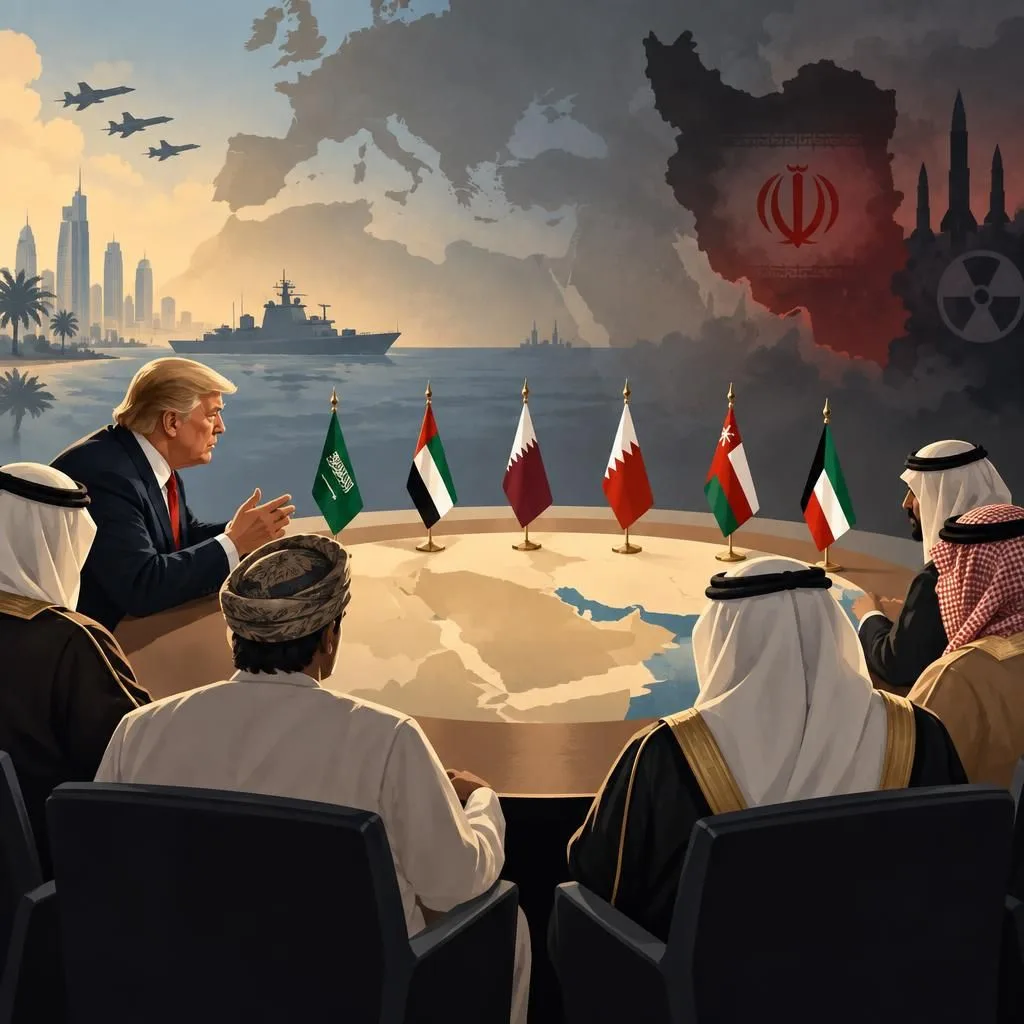
Diplomatic engagements between Donald Trump and leaders of key Middle Eastern nations have renewed intense focus on Washington's posture toward Iran. Consultations with regional partners—principally traditional allies across the Gulf and broader Middle East—highlight an effort to coordinate security policy, deter regional escalation, and align economic pressure points.
The Impetus for Regional Consultations
Washington's security framework in the Middle East has long depended on cooperation with key regional players, notably members of the Gulf Cooperation Council (GCC) such as Saudi Arabia, the United Arab Emirates, Qatar, Kuwait, Bahrain, and Oman, alongside other regional partners. When discussions turn toward managing Iranian influence, several core priorities typically take center stage:
Integrated Air and Missile Defense: Bolstering interoperability among Gulf air defense networks to counter missile and drone threats.
Maritime Security: Safeguarding critical transit corridors, including the Strait of Hormuz and the Bab el-Mandeb, from maritime disruption.
Deterrence via Maximum Pressure: Coordinating financial sanctions and energy market dynamics to curb Tehran's revenue streams.
Diverging Priorities Among Regional Capitals
While multilateral coordination remains a declared goal, the strategic interests of individual Middle Eastern states are not uniform. While some Gulf states prioritize firm military deterrence and aggressive economic isolation, others maintain active diplomatic channels with Tehran to mitigate direct retaliation against their energy infrastructure and commercial centers.
Regional consensus on Iran is rarely monolithic. While defense guarantees from Washington are widely sought, neighboring states carefully balance deterrence with de-escalation to avoid becoming front-line battlegrounds.
Recent years have also seen bilateral detentes, such as the resumption of formal diplomatic relations between Saudi Arabia and Iran. Consequently, talks centered on direct conflict or military containment must navigate partners' reluctance to trigger an uncontrolled regional war.
Strategic Outlook and Uncertainties
Whether these high-level discussions translate into a cohesive military pact or remain consultative depends heavily on diplomatic execution. Key variables include the level of direct U.S. security guarantees offered to partner capitals, the trajectory of Iran's nuclear capabilities, and the willingness of regional governments to host expanded offensive or defensive staging operations.
For now, multilateral talks between Trump and Middle Eastern leaders serve primarily to signal unified deterrence, test regional commitment to collective defense, and establish bargaining leverage in any potential future diplomatic showdown with Tehran.